
The Method
Step into a journey that reveals how sound shapes your mind, body, and spirit.
Sound therapy uses specific sound frequencies and vibrations to enhance mental, emotional, and physical well-being. It provides a serene environment for participants to experience a deep sonic journey that fosters relaxation and focus. During sessions, individuals can explore their inner world amidst soothing sounds.
Benefits
Understanding sound therapy can help individuals make informed choices about their mental, emotional, and physical health. Each benefit is distinct yet interrelated, promoting overall well-being.
Mental Well-Being
Mental well-being refers to our cognitive and emotional functioning. Sound therapy enhances mental clarity by using specific frequencies that can reduce anxiety and improve focus. These frequencies stimulate brain activity for relaxation and better concentration.
During a session, participants may feel a shift in their mental state, leading to improved clarity and a calmer mindset.
Emotional Balance
Emotional balance involves managing our emotions effectively. Sound therapy supports emotional healing by releasing blockages through sound resonance, evoking memories or feelings that may have been suppressed, leading to a deep emotional release.
Participants often feel a spectrum of emotions during the session, from sadness to joy. Post-session, many report feeling lighter, with an improved ability to face their daily emotions with resilience.
Physical Health
Physical health is about the body’s overall functioning. Sound therapy positively impacts physical health by reducing stress and promoting relaxation. The vibrations relax muscles and improve circulation.
During sessions, individuals may feel warmth and tingling as tension releases. Afterward, many feel rejuvenated with less physical tension and a lasting sense of well-being.




Instruments & Frequencies
Sound therapy incorporates various instruments that produce distinctive vibrations and frequencies, each contributing uniquely to the therapeutic experience. Understanding how these instruments work and the effects of their frequencies on the body and mind can enhance one's appreciation of sound therapy.
How Instruments Work Together?
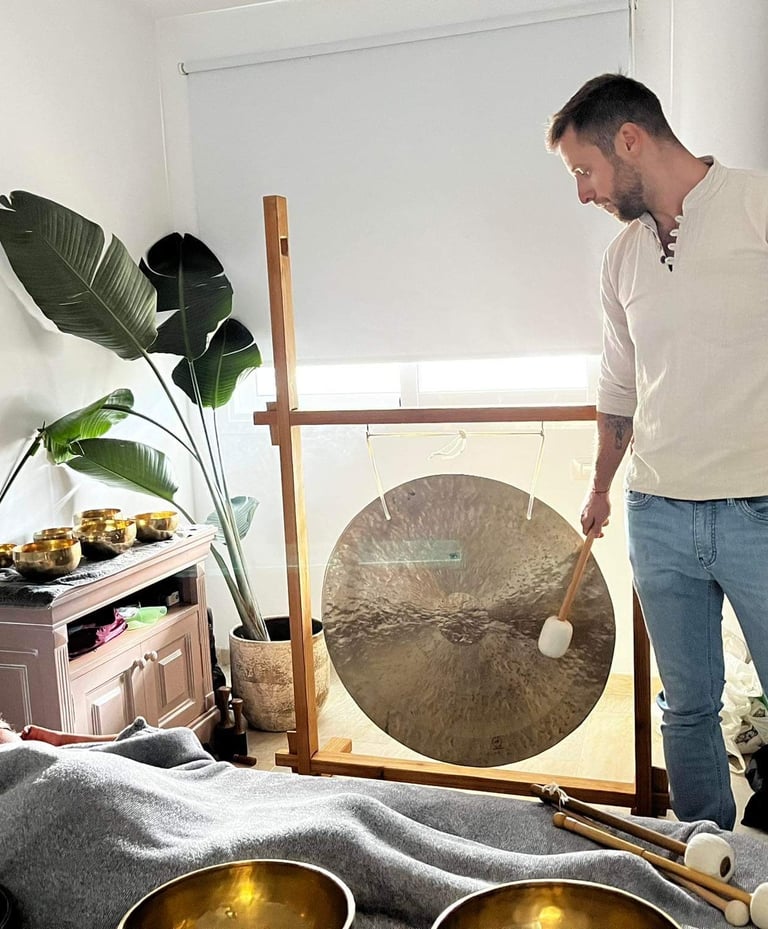
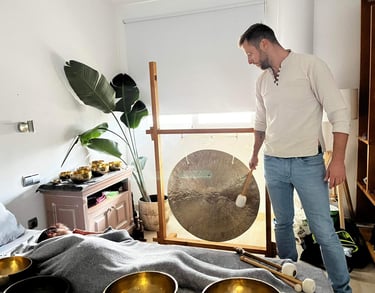
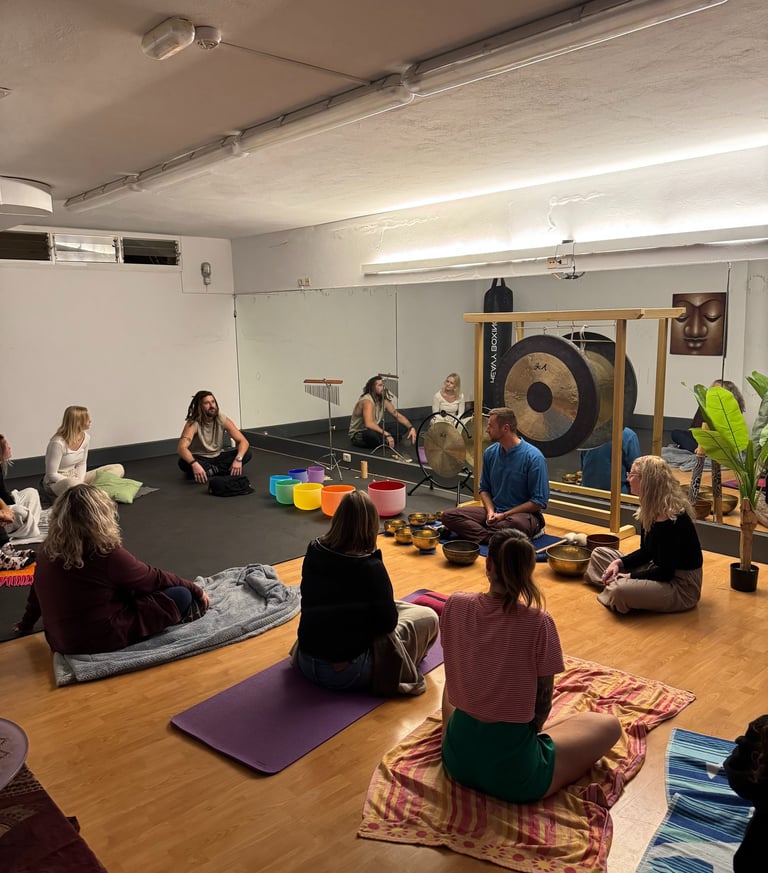
In sound therapy, instruments harmonize rather than operate in isolation. The gong provides deep resonance, while Tibetan and crystal bowls uplift the experience. Drumming sets tempo and encourages movement. Together, they create a rich sound tapestry that allows exploration of the inner landscape and supports a healing experience through various vibrations that enhance relaxation and introspection.
Gong


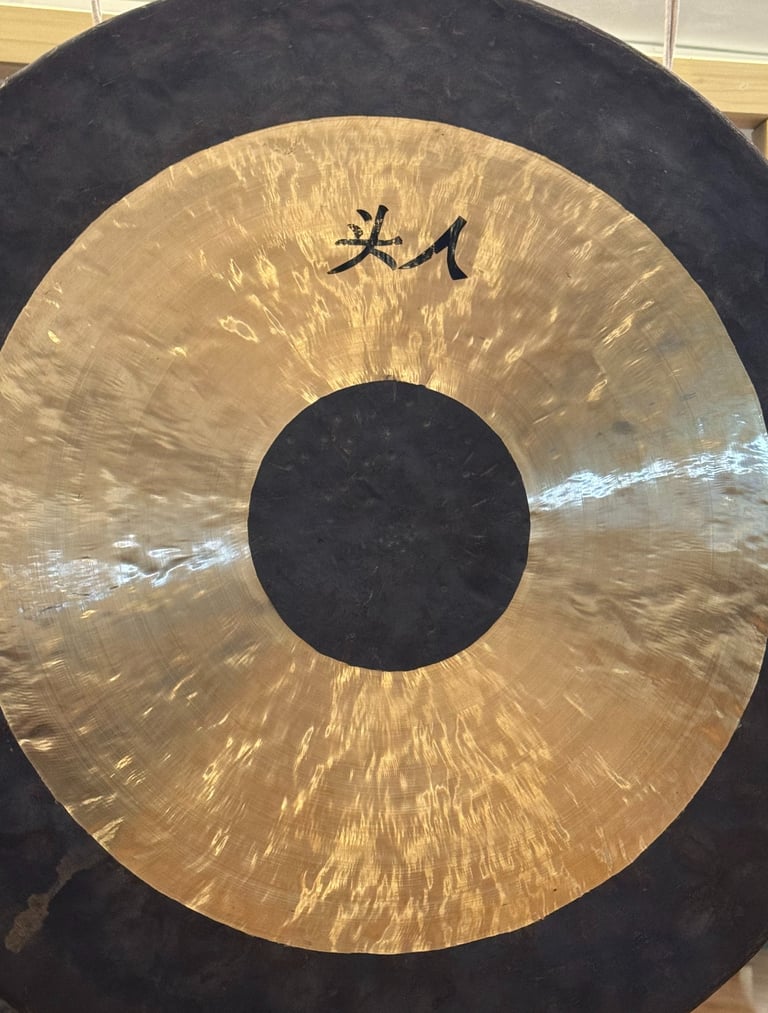
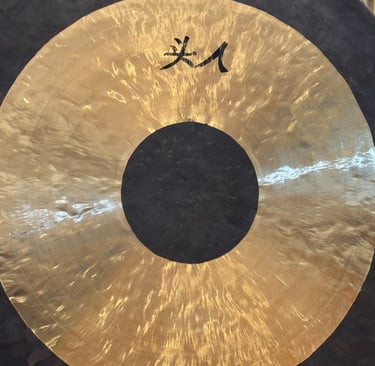
The gong produces sound waves that promote relaxation and mental clarity by reducing stress in the body and mind.


Bowls
Singing bowls help deepen breath and enhance focus, creating soothing vibrations that promote inner calm.
The steady rhythm of a drum mix anchors awareness, creating a palpable pulse felt in the body.
Drummings
Body Response to Sound
Sound and vibration interact with the body on a physical and neurological level. During a session, low and sustained frequencies are perceived not only through hearing, but also through the skin, muscles and connective tissues. The body does not need to “understand” the sound for it to have an effect; the response happens naturally and involuntarily.
Slow vibrations can support the regulation of the nervous system, encouraging a shift away from chronic stress responses. As external stimulation becomes more stable and predictable, the body often responds with a decrease in muscular tension and a change in breathing patterns. This process supports a state of rest and recovery without requiring active effort from the participant.
Sound waves can also be perceived through the fascial system, which plays a key role in posture, movement and physical comfort. When vibration is applied gently and consistently, the body may respond with a sensation of release or grounding. This physical response is individual and can vary from session to session.
The experience is not about forcing relaxation, but about creating the conditions in which the body can regulate itself. Sound becomes a supportive environment, allowing the body to respond in its own time and in its own way.


Chakras and Sound Frequencies
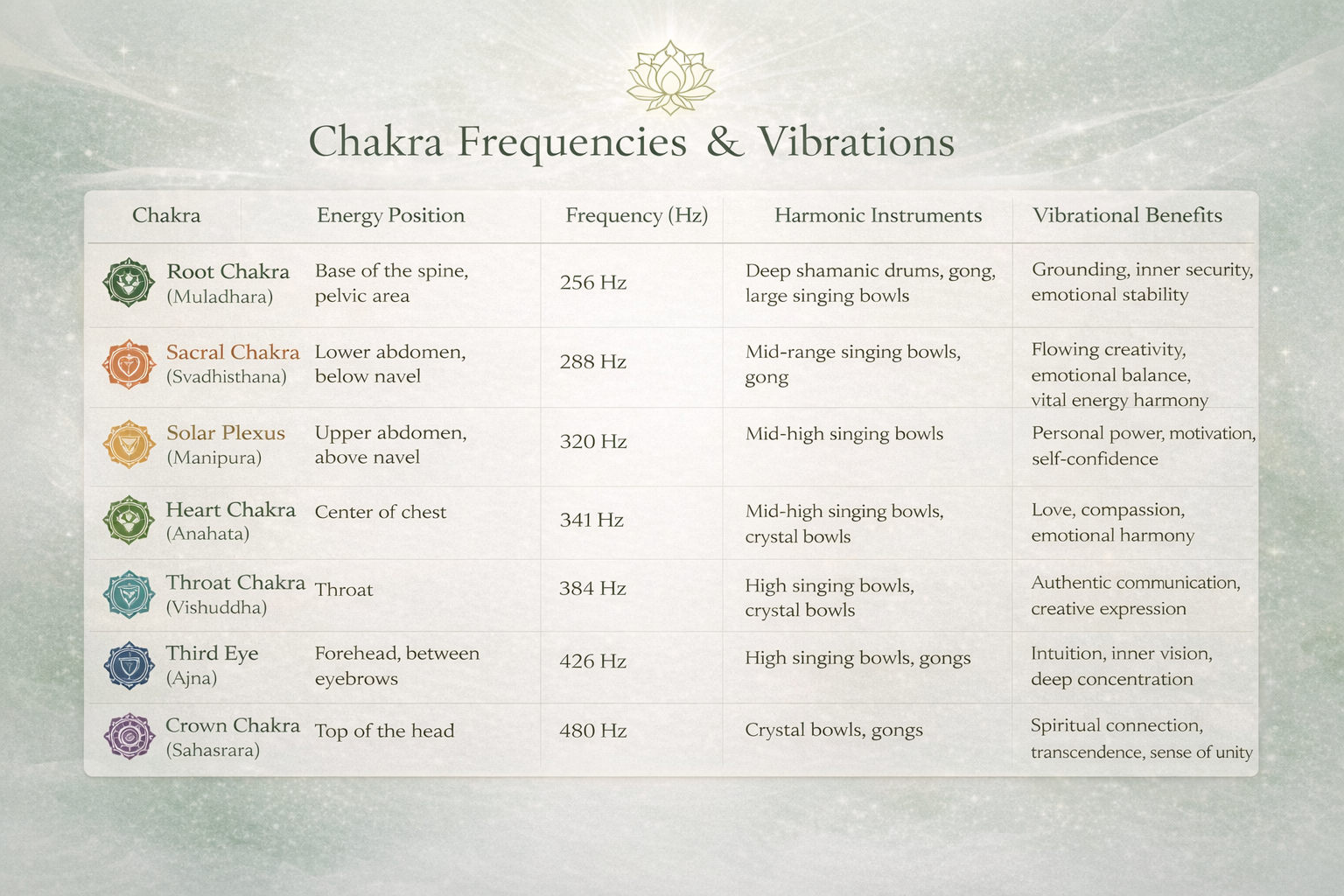
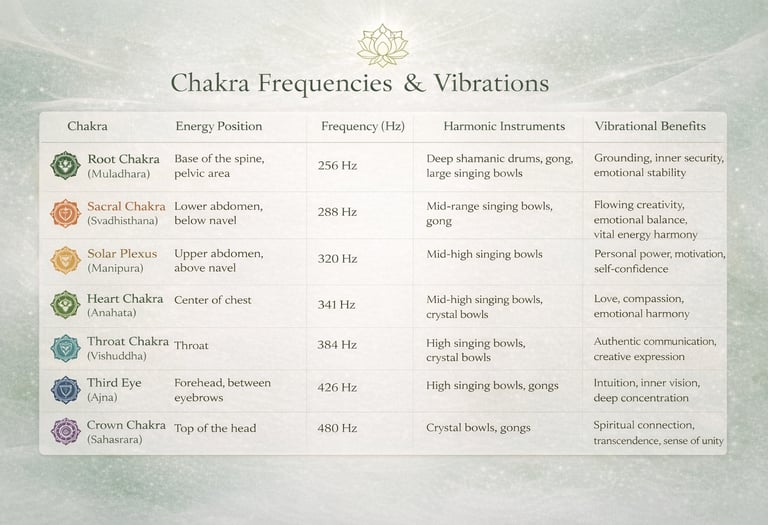
Each chakra corresponds to specific frequency ranges and vibrations. Using singing bowls, these frequencies can be stimulated, supporting block release, energy flow, and natural self-healing processes.
How Singing Bowl Massage Works on the Chakras
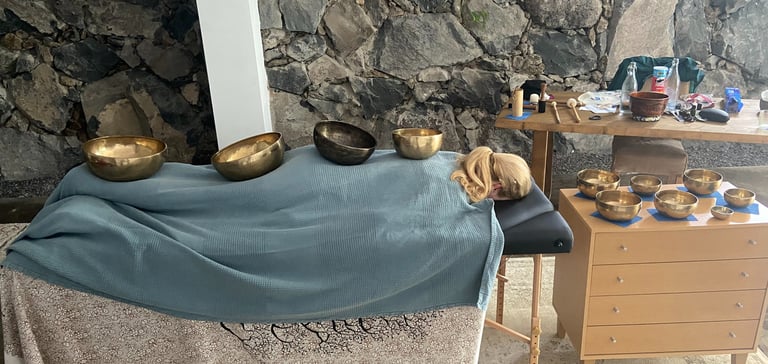
Bowls tuned to the chakra frequencies are placed directly on the body. The vibrations are felt at the cellular level, stimulating the body, nervous system, and energy system simultaneously. Using these frequencies, I cleanse, energize, close, and harmonize the chakras, promoting balance of body and mind.
Scientific Background
Different frequencies are linked to brainwaves and the endocrine system. Deep, slow vibrations activate the parasympathetic nervous system, promoting relaxation and stress relief. Higher frequencies stimulate intuitive and creative brainwave activity, enhancing focus and awareness.
Sound Therapy and Brainwaves
Brainwaves are electrical patterns in the brain, associated with different states of consciousness. Sounds and vibrations directly influence brainwaves, supporting relaxation, focus, creativity, and spiritual experiences.
1. Delta waves (0.5–4 Hz)
Associated with deep sleep and regeneration. Slow, deep vibrations, such as from large gongs or shamanic drums, can stimulate delta wave activity, supporting deep rest and physical self-healing.
2. Theta waves (4–8 Hz)
Linked to meditation, intuition, and dream-like relaxation. Soft, harmonious singing bowl vibrations can enhance theta wave activity, promoting inner focus, creativity, and spiritual awareness.
3. Alpha waves (8–12 Hz)
Associated with relaxed wakefulness. Medium-frequency singing bowls and gongs can stimulate alpha waves, reducing stress and anxiety, and supporting mental balance.
4. Beta waves (12–30 Hz)
Related to alertness, concentration, and active thinking. Higher-frequency sounds can enhance beta wave activity, supporting attention, learning, and focus.
5. Gamma waves (30–100 Hz)
Linked to high-level consciousness, integration, and transcendental experiences. Certain crystal singing bowls and high-frequency vibrations can stimulate gamma waves, enhancing intuition, creativity, and spiritual insight.
Scientific Background & Cellular Water Effects
Sound therapy and singing bowl massage are scientifically supported, multidimensional methods affecting the body, nervous system, hormones, and energy system.
Nervous system: Sounds stimulate the parasympathetic system, reduce stress hormones, and harmonize brainwaves (delta, theta, alpha, beta, gamma), promoting relaxation, creativity, and focus.
Hormones & neurotransmitters: Vibrations can boost serotonin, dopamine, endorphins, and melatonin, improving mood, sleep quality, and physical regeneration.
Cellular water: Since the body is 60–70% water, vibrations affect cells at a molecular level, harmonizing water molecules, optimizing cellular function, enhancing energy flow, and activating natural self-healing.
Chakras & energy flow: Frequencies corresponding to chakras support body-energy alignment, increasing inner balance and mind-body regeneration


What Makes Csaba’s Application Unique?
Csaba’s application is defined by a balance between structure and responsiveness. Rather than following fixed sequences, each session is shaped by careful listening, timing, and the intentional use of sound and silence. The integration of gong, singing bowls, and rhythm creates a continuous sound environment focused on regulation rather than intensity. This approach combines grounded knowledge with a sensitive, adaptive execution, setting it apart from standardized sound experiences.
Harmony Sound
Find your inner harmony
Phone
+36 20 669 8179
harmonysound© 2026. All rights reserved.

Home
The Method
The Science
Sessions
About Csaba
Rescources
Contact